
Understanding the psychological triggers behind gambling behavior
The Allure of Risk and Reward
The excitement of gambling often stems from the thrill associated with risk and reward. This psychological phenomenon can be attributed to the brain’s response to potential gains, which triggers the release of dopamine, a neurotransmitter linked to pleasure and reinforcement. When individuals gamble, the possibility of winning can create an exhilarating rush, making them more inclined to engage in risky behavior. For those interested in the gaming scene, exploring online pokies can amplify this rush, as players seek to recreate that initial high, leading to repeated gambling activities.
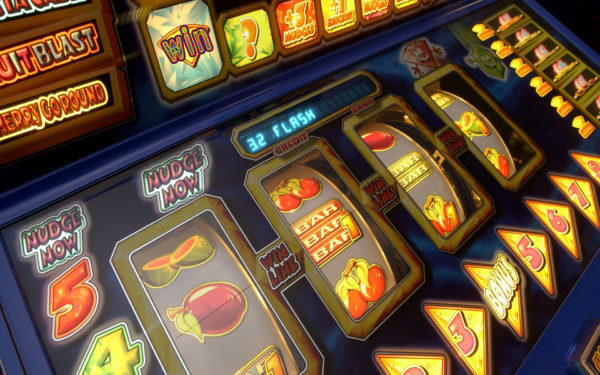
Moreover, the concept of loss aversion plays a significant role in gambling behavior. Studies suggest that the emotional pain of losing is often more profound than the pleasure derived from winning. This leads gamblers to chase losses, hoping to recover their investment, thus perpetuating a cycle of continued play. Understanding this psychological trigger can help identify why many find it difficult to walk away, even in the face of repeated losses.
The Role of Cognitive Biases
Cognitive biases significantly influence gambling behavior, often skewing an individual’s perception of reality. One common bias is the illusion of control, where gamblers believe they can influence the outcome of games of chance. This belief can be particularly strong in games like poker, where skill is involved, leading players to overestimate their ability to win consistently. This false sense of mastery can fuel further gambling, as individuals become convinced that they can beat the odds.
Additionally, gamblers often fall prey to the gambler’s fallacy—the belief that past events influence future outcomes. For example, a player may think that a slot machine is “due” for a win after a series of losses. This skewed thinking can lead to prolonged gambling sessions, as individuals chase what they believe to be inevitable wins, driven by their cognitive biases.
Social Influences on Gambling Behavior
Social dynamics also significantly affect gambling behaviors. Peer pressure and social norms can encourage individuals to gamble, often framing it as a socially acceptable activity. The presence of friends or community can amplify the thrill, making the act of gambling feel more rewarding. In environments where gambling is celebrated, individuals may be more likely to participate, viewing it as a shared experience rather than an individual risk.
Moreover, the rise of online gambling platforms has transformed the social aspect of gambling. Players can connect with others worldwide, fostering a sense of community that can reinforce gambling behaviors. This virtual social interaction can create a sense of belonging, making it easier for individuals to overlook the risks associated with gambling in favor of the social rewards it may offer.
The Impact of Marketing and Advertising
Marketing strategies play a crucial role in shaping gambling behavior, often targeting individuals’ psychological triggers. Advertisements typically emphasize the excitement and potential rewards of gambling, employing vivid imagery and persuasive messaging to attract players. This marketing often downplays the risks involved, creating an enticing narrative that can entice individuals to engage more heavily.
Additionally, promotional offers and bonuses are designed to exploit the psychological triggers of scarcity and urgency. Limited-time promotions create a fear of missing out, compelling potential gamblers to act quickly. This approach can lead to impulsive decision-making, pushing individuals into gambling situations they may have otherwise avoided.

Exploring Responsible Gaming Resources
Understanding the psychological triggers behind gambling behavior is essential for promoting responsible gaming practices. Numerous resources and organizations provide support for those struggling with gambling addiction or harmful behaviors. These resources emphasize the importance of self-awareness and understanding personal triggers, allowing individuals to make informed decisions about their gambling habits.
The world of online gaming offers various platforms that promote responsible gambling by providing tools to set limits, track spending, and access support services. By prioritizing responsible gaming, players can enjoy the thrill of gambling while minimizing the associated risks. Awareness and education about psychological triggers can significantly contribute to healthier gambling behaviors and safer gaming experiences.